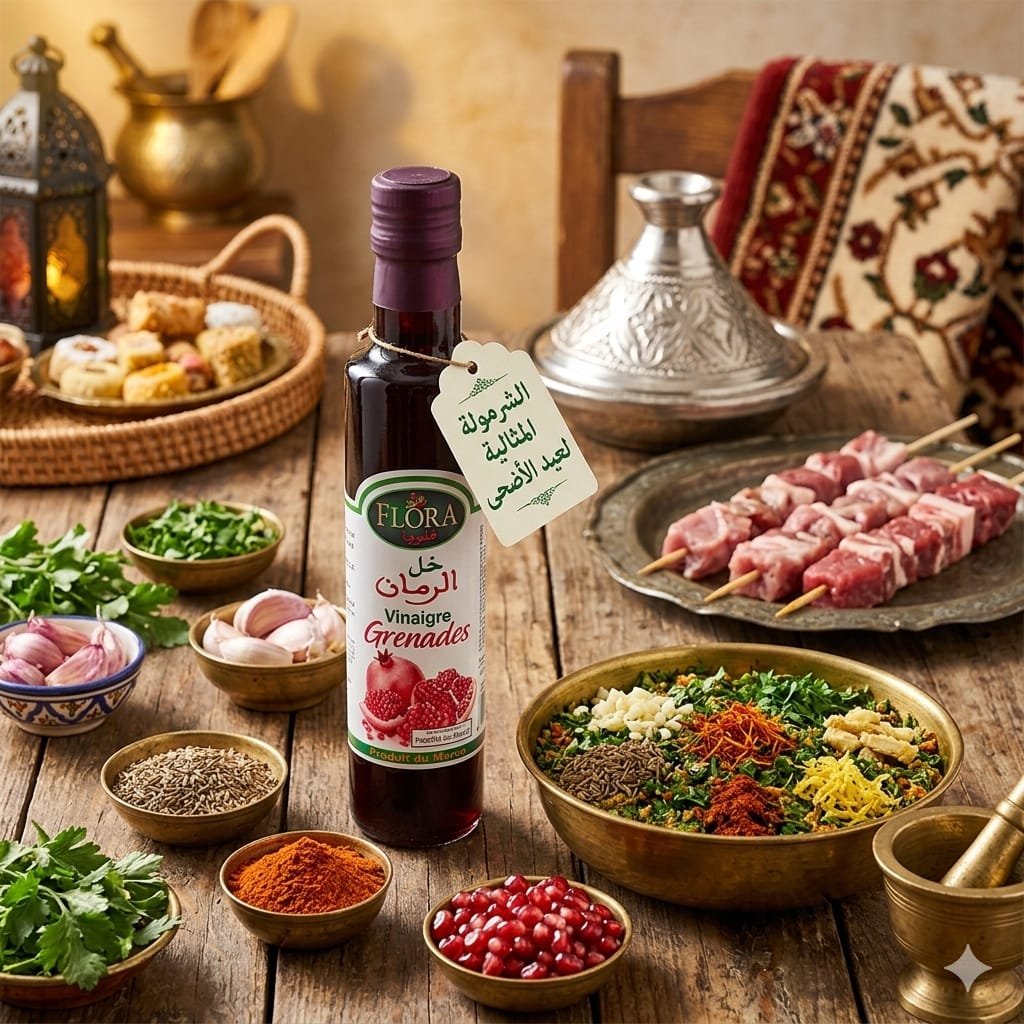
No More Chewy Meat: Your Guide to a Flawless Moroccan Eid Feast
Eid al-Adha in Morocco: Sacrifice, Faith, and Tradition
Eid al-Adha, also known as the Feast of Sacrifice, is one of the most significant religious celebrations in Morocco. The holiday commemorates the Prophet Ibrahim’s willingness to sacrifice his son in obedience to God. Observed on the 10th of Dhul Hijjah, the final month of the Islamic calendar, it holds deep spiritual meaning for Moroccans and is deeply rooted in their cultural heritage.
Historical and Spiritual Roots
Eid al-Adha honors the unwavering faith and devotion of Prophet Ibrahim, peace be upon him. According to Islamic tradition, God tested Ibrahim by commanding him to sacrifice his son Ismail, peace be upon him. Despite his inner struggle, Ibrahim prepared to carry out the divine command. At the last moment, God intervened and substituted a ram in place of his son. This act symbolizes God’s mercy and the reward of true faith. In this way, the holiday reminds Muslims of the importance of obedience, trust in God, and surrender to His will.
On Eid morning, worshippers head to mosques and open prayer grounds early, reciting the takbir. After the Eid prayer, the head of the household or a hired butcher performs the sacrifice. Right after, the women begin cleaning the meat and preparing the first meal of the day.
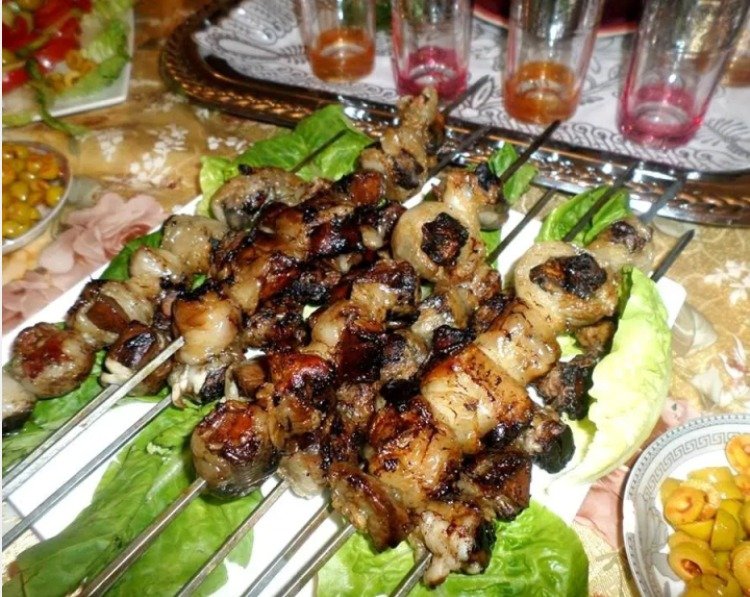
Then comes the feast. Boulfaf, skewers of liver wrapped in sheep’s caul fat, are grilled over hot coals. Seasoned simply with salt and cumin, they are enjoyed with mint tea, Moroccan salads, fresh bread, and olives.
Next Comes Douara and the Days That Follow
After that, it’s time for douara, a traditional dish made with lungs and tripe slow-cooked in a sauce of onion, tomato, and chickpeas. The recipe changes from region to region and family to family.
The first lunch is usually light because there’s still a lot of work to do in the kitchen. The women start preparing couscous for the evening meal. In the following days, most dishes center around fresh lamb, prepared in many ways: grilled meats, tagines, lamb shoulder, roasted leg of lamb, and lamb with prunes.
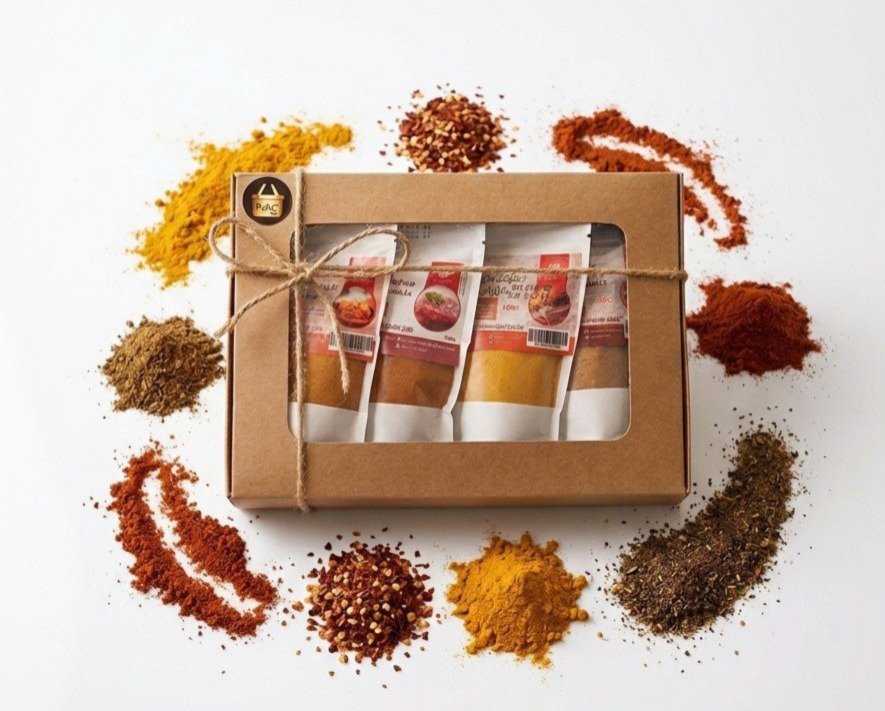
The essential spices of the tradition include turmeric, ginger, cumin, and sweet paprika. Beyond that, each family has its own spice blends, emphasizing the generous use of rich, aromatic flavors.
Pomegranate Vinegar: The Health and Flavor Secret of Eid
Beyond the spices that crown the Eid table with deep flavors and nostalgic aromas, another authentic ingredient holds a special place in Moroccan cooking: Pomegranate Vinegar.
It’s a magic ingredient for cooking meat. Its natural acids tenderize the meat and speed up cooking, while giving it a distinctive taste that balances tanginess with a hint of sweetness. Used in marinades, it helps reduce the charring of fats during grilling, making it a healthier choice. It also adds high nutritional value thanks to its antioxidant content.
Key benefits of using pomegranate vinegar in cooking:
Tenderizing and faster cooking: Marinating meat in pomegranate vinegar breaks down tough fibers, making it ideal for softening tougher cuts and cutting down cooking time.
Rich, distinctive flavor: It adds a tangy-sweet note that enhances grilled meats, steaks, and stews.
Healthier grilling: As a marinade, it helps reduce the formation of harmful compounds from charred fats and proteins.
Removing unwanted odors: Its natural acidity effectively neutralizes the strong smell of some meats.
Nutritional value: It’s rich in polyphenols, vitamins, and minerals that support overall health.
The Final Advice: Balance Is the Real Secret of Eid
Spices bring flavor, pomegranate vinegar brings tenderness, and saffron brings luxury. But the true secret of Eid lies in balance: balance in eating, balance in joy, and balance between the needs of the body and the needs of the soul.